
Why Olive Wood Is Perfect for Kitchenware
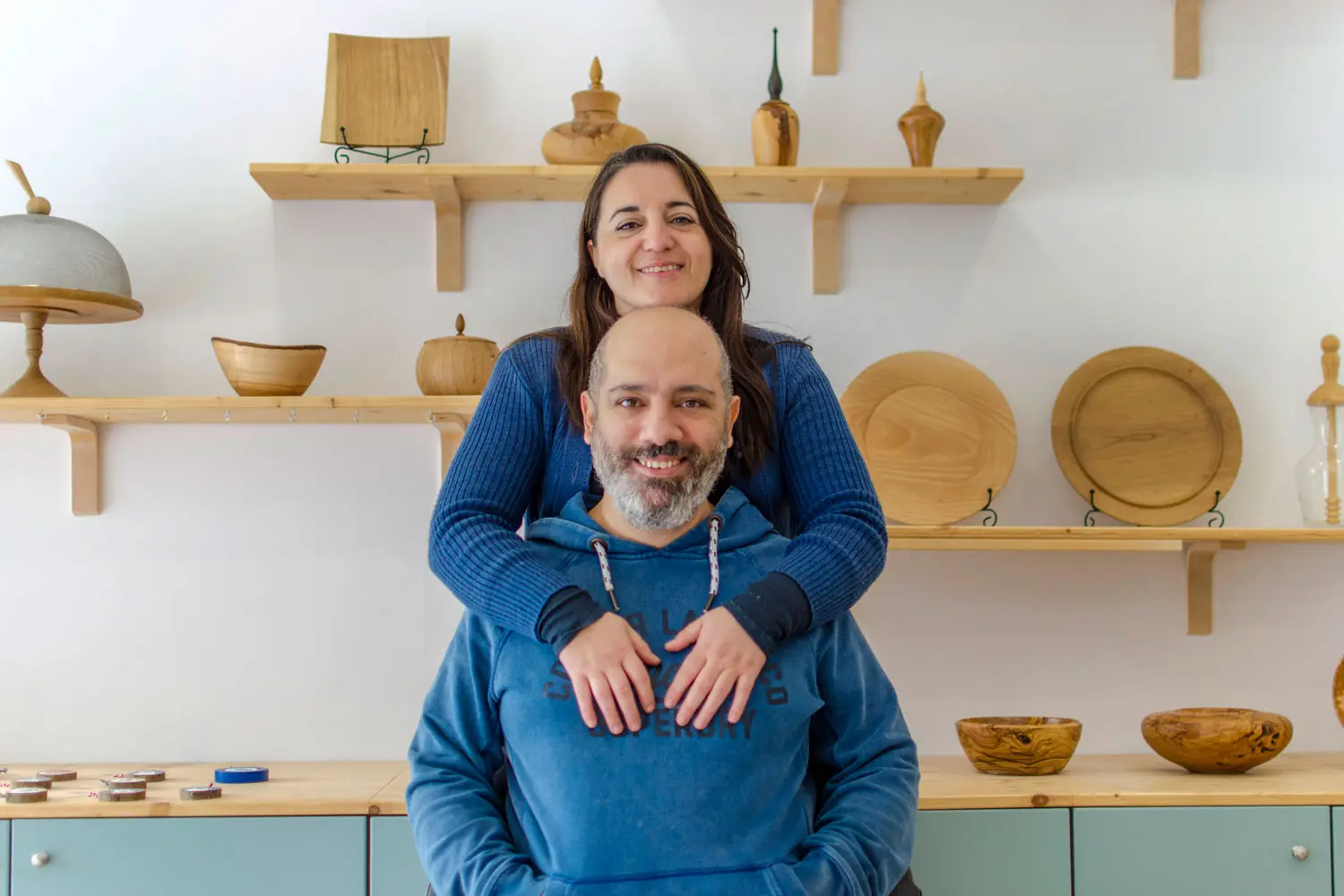
After turning hundreds of olive wood bowls, we've learned that every piece has its own grain with hidden knots or colour transitions. This is one of the reasons every piece is unique.
— Olga & JosefWhy Choose Olive Wood for Kitchenware?
There are many beautiful woods used to make kitchen products, but olive wood has earned a special place in homes throughout the Mediterranean for centuries.
Its combination of strength, striking grain patterns, and natural warmth makes it equally suitable for everyday use and special occasions. While many wooden kitchen products are mass-produced, handcrafted olive wood pieces celebrate the individuality of every tree, ensuring that no two bowls or serving boards are ever identical.
Outside Mediterranean countries, it is often considered a premium material because of its limited availability. In Crete, however, it has long been part of everyday life. Local artisans have transformed this remarkable timber into functional household objects for generations, combining traditional craftsmanship with practical design.
What Makes it Especially good for Kitchen Items?
Exceptional Hardness
It is one of Europe’s densest hardwoods. Its compact grain gives it impressive strength and durability, making it particularly suitable for kitchen items that are handled regularly.
Beautiful Natural Grain
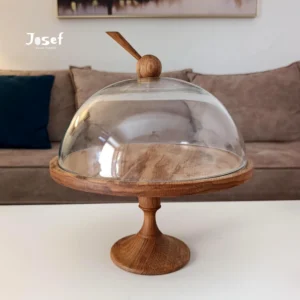
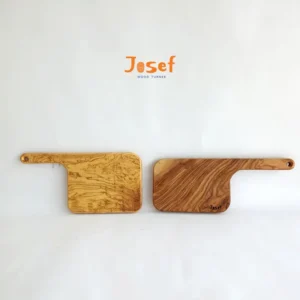
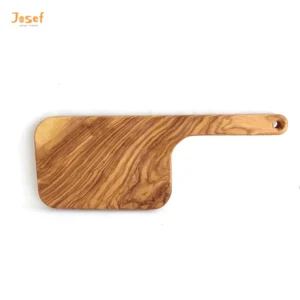
Perhaps the first thing people notice is the extraordinary appearance, colour and grain. Golden honey tones blend with rich brown streaks and flowing grain patterns created naturally over decades of slow growth. No machine can reproduce these patterns because every tree grows differently.
Every bowl, board, spoon or honey dipper is literally one of a kind.
Expert Note: One of the pleasures of turning olive wood on the lathe is discovering what lies beneath the surface. Two pieces cut from the same branch can reveal completely different grain patterns once shaped and polished. Every finished piece is a surprise.
Made to Last
Quality kitchenware is designed for years of everyday use rather than short-term convenience.
With proper care, a serving board or salad bowl can remain both functional and beautiful for decades, often becoming an object passed from one generation to the next.
Traditionally Valued for Food Preparation
Throughout the Mediterranean, it has traditionally been valued for preparing and serving food thanks to its hardness and durability. Today, it remains a popular choice for handcrafted bowls, serving boards, utensils, and kitchen accessories when properly finished with food-safe oils.
As with all wooden kitchenware, good hygiene practices—including hand washing and allowing items to dry thoroughly—are essential for safe everyday use.
Olive Wood Compared with Other Kitchen Woods
Every wood has its own strengths, and the best choice depends on your priorities.
| Feature | Olive Wood | Bamboo | Acacia |
|---|---|---|---|
| Grain Pattern | Unique & highly decorative | Uniform | Varied |
| Handmade Appeal | Excellent | Low | Good |
| Durability | Excellent | Moderate | Good |
| Mediterranean Heritage | Yes | No | No |
| Every Piece Unique | Yes | Limited | Often |
| Typical Use | Premium kitchenware & artisan products | Budget kitchenware | General kitchen products |
If your goal is affordability, bamboo is often a practical choice. If you’re looking for a handcrafted object with distinctive character and a story behind it, olive wood stands in a category of its own.
Best Olive Wood Products for Your Kitchen
Olive wood’s strength and appearance make it suitable for a wide range of kitchen accessories.
Olive Wood Bowls
Perfect for salads, fruit, snacks, bread or simply as decorative centrepieces.
Related: Browse our collection of handcrafted olive wood bowls.
Serving & Chopping Boards
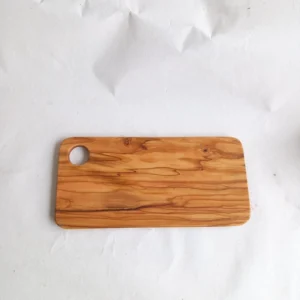
Beautiful enough for entertaining and practical enough for everyday serving of cheese, bread, charcuterie and appetisers.
Related: Explore our serving boards and platters.
Honey Dippers & Honey Pots
A small but timeless kitchen accessory that pairs perfectly with local honey and makes an excellent gift.
See our collections with original designs.
Olive Oil Bottles
Designed to bring Mediterranean elegance directly to your dining table.
Check our 2 bottle pack with wooden lid.
Wooden Canisters
Ideal for storing herbs, spices or dry ingredients while adding warmth and character to your kitchen.
Not made of olive wood 🙂 beautiful non the less. See our Beech wood canisters here
How to Care for Olive Wood Kitchenware
Taking care of your kitchen items is very simple.
- Wash by hand using warm water and mild soap.
- Dry immediately after washing.
- Never leave wooden items soaking in water.
- Apply food-safe mineral oil occasionally to nourish the wood.
- Avoid dishwashers, microwaves and ovens.
These simple steps will help preserve the wood’s natural colour and prevent drying or cracking.
Expert Note: A wooden bowl should never be used for cooking or reheating food. Instead, think of it as the final presentation piece. Heat your food in cookware, then transfer it to your handcrafted bowl immediately before serving.
Buying Considerations
If you’re shopping for wooden kitchenware, here are a few things worth looking for:
- Solid wood rather than veneered construction.
- Hand-finished surfaces that feel smooth to the touch.
- Food-safe finishes.
- Visible natural grain rather than stained wood.
- Responsible sourcing.
- Handcrafted construction instead of mass production.
Remember that every genuine olive wood product will have slight differences in colour, grain and shape. These natural variations are part of what makes each piece unique.
Our Recommendation
Whether you’re preparing everyday meals or setting the table for a special gathering, handcrafted olive wood kitchenware combines practicality with timeless beauty.
At our workshop in Archanes, Crete, each bowl, board and kitchen accessory is individually handcrafted from carefully selected local timber. Rather than aiming for perfect uniformity, we embrace the natural character of every piece, allowing the wood itself to become part of the finished design.
Frequently Asked Questions
Is olive wood good for kitchenware?
Yes. Olive wood is highly valued for handcrafted kitchenware because of its density, durability, beautiful grain and long lifespan when properly cared for.
Can olive wood be used every day?
Absolutely. Olive wood bowls, serving boards and utensils are designed for regular use provided they are hand washed and maintained correctly.
Why is every olive wood bowl different?
Every olive tree grows differently, creating unique grain patterns, colours and markings. No two handcrafted pieces are ever identical.
Is olive wood better than bamboo?
They serve different purposes. Bamboo is lightweight and affordable, while olive wood offers greater individuality, Mediterranean heritage and exceptional natural beauty.
Can olive wood go in the dishwasher?
No. High temperatures, detergents and prolonged exposure to water can damage natural wood. Hand washing is always recommended.
How long does olive wood kitchenware last?
With proper care, quality olive wood products can last for decades and often become treasured family heirlooms.
Are olive wood products good gifts?
Yes. Their natural beauty, uniqueness and practical use make them thoughtful gifts for weddings, anniversaries, birthdays and housewarming celebrations.
Why is olive wood considered a premium material?
Olive wood grows slowly, is relatively limited outside Mediterranean countries, and every handcrafted piece requires careful selection, seasoning and finishing, making it a highly valued material worldwide.
Further Reading & Sources
The information in this guide is based on our workshop experience together with research from recognised organisations and scientific publications.
- Food and Agriculture Organization of the United Nations (FAO). Olive Crop Information.
- International Olive Council (IOC). Publications on olive cultivation, sustainability and the olive sector.
- USDA Forest Service. Wood Handbook: Wood as an Engineering Material.
- Govorčin, S., Sinković, T., & Sedlar, T. Dimensional Stability of Olive (Olea europaea L.) and Teak (Tectona grandis L.). Drvna Industrija.
- Royal Botanic Gardens, Kew. Olea europaea species information.