
Olive Wood Informative Guide
One of the reasons woodturners love olive wood is that the material often reveals its beauty only after cutting and shaping. A plain-looking piece of timber can transform completely once the grain is exposed and finished.
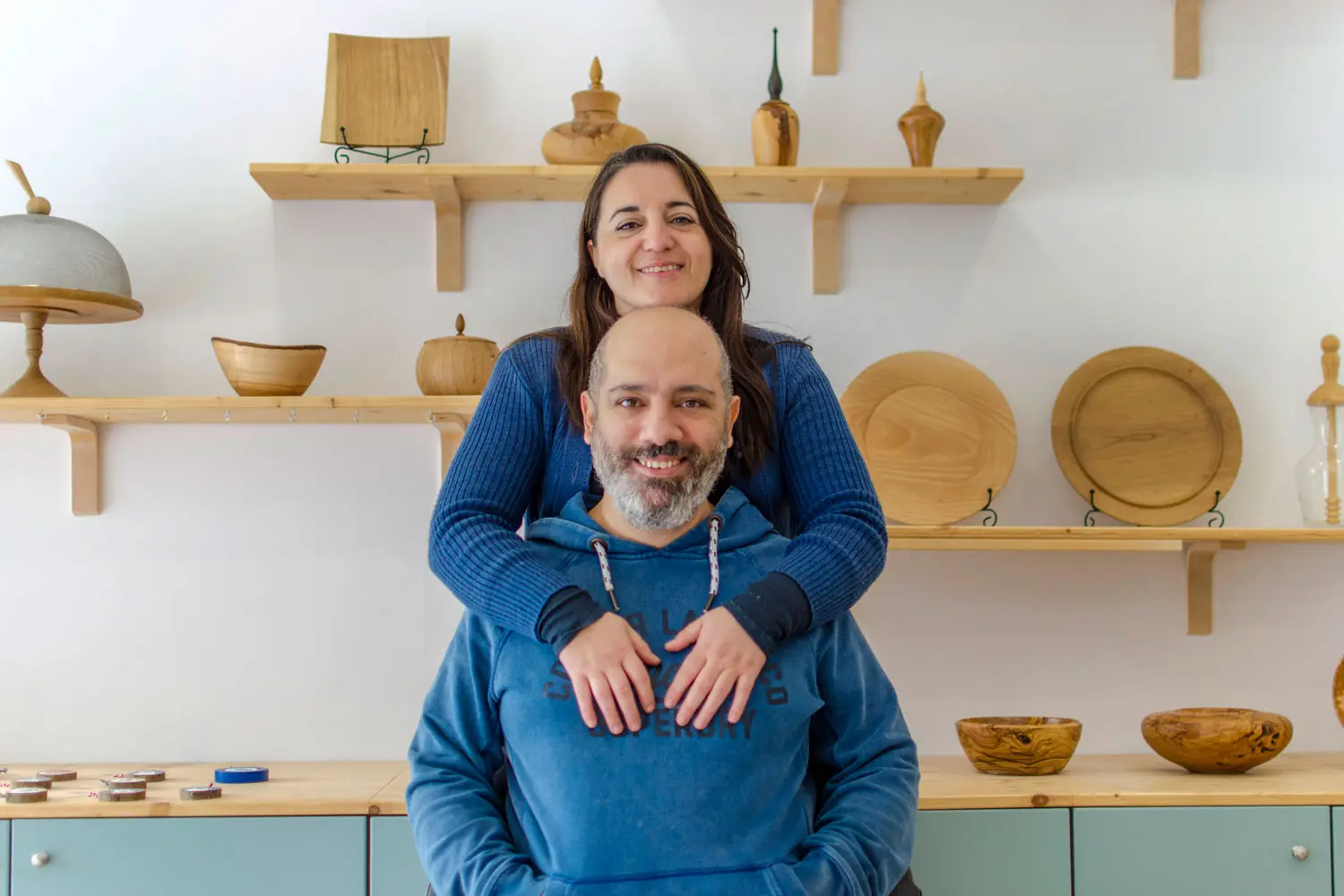
— Olga & JosefOlive wood is one of the most distinctive and fascinating timbers in the world. Known for its exceptional grain patterns, natural durability, and warm golden tones, it has been treasured around the Mediterranean for centuries. From kitchen utensils and serving boards to handcrafted bowls and even jewelry, olive wood brings together functionality, beauty, and a connection to nature.
For many people around the world, olive wood is considered a rare and premium material. In Crete, however, it is part of everyday life. Olive trees have shaped the landscape, culture, and traditions of the island for thousands of years, and local craftsmen have long found ways to give this remarkable wood a second life.
In this note, we will explore what makes it unique, where it comes from, why it is valued for handmade products, how it is processed, and what you should know before choosing items for your home.
What is olive wood?
Olive wood comes from the olive tree (Olea europaea), the same tree that produces olives and olive oil. Unlike many commercial timber species that are grown specifically for wood production, it is usually obtained from trees that are no longer productive, from carefully managed pruning, or from trees that need to be removed due to natural causes.
The olive tree grows slowly, developing an extremely dense structure and a unique grain pattern over many decades. This slow growth is one of the reasons it has such a distinctive appearance.
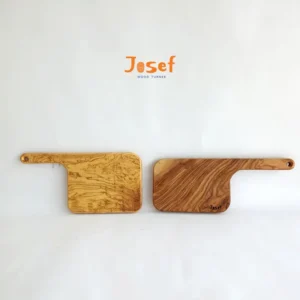
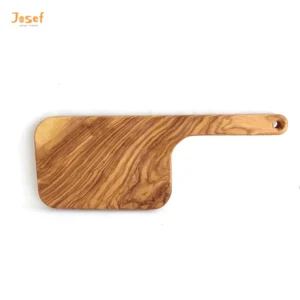
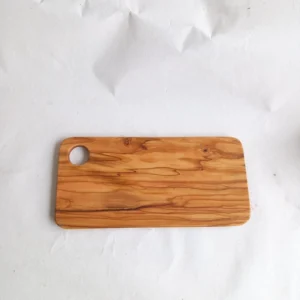
Each piece of olive wood is different. Some pieces display flowing waves of golden brown and cream colours, while others reveal dramatic contrasts, knots, and natural markings created during the tree’s lifetime.
Why does olive wood have such a beautiful grain?
The olive tree does not grow in perfectly straight lines like many timber trees. Its irregular growth, twisting branches, and slow development create complex grain patterns that make every finished product unique.
This means that when you buy a handmade olive wood bowl or serving board, you are not simply buying an object made from wood—you are choosing a piece of a tree’s history.
Expert Note:One of the reasons woodturners love it, is that the material often reveals its beauty only after cutting and shaping. A plain-looking piece of timber can transform completely once the grain is exposed and finished.
Why is olive wood so popular?
We would say because it has a combination of qualities that make it especially valuable for both practical and decorative objects.
- Exceptional durability: It is a dense hardwood that can withstand daily use when properly cared for.
- Unique appearance: The grain patterns and natural colour variations make every piece different.
- Natural warmth: Unlike manufactured materials, olive wood brings an organic feeling into the home.
- Long lifespan: A well-maintained item can last for decades.
- Connection to Mediterranean culture: Olive trees are deeply connected with Greek history, food, and traditions.
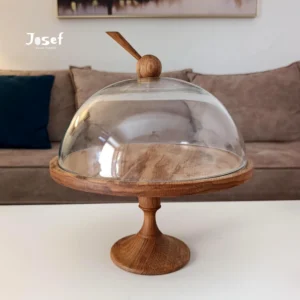
These qualities make it particularly popular for kitchenware, including bowls, chopping boards, serving boards, utensils, and decorative pieces.
Why is olive wood considered a premium material?
Because it is not equally available everywhere in the world. In many countries, it is considered an exotic or luxury timber because it must be imported and is available only in limited quantities.
One reason olive wood feels substantial in the hand is its density. Scientific studies have found olive wood to be comparable to teak wood, which is commonly used for outdoors.
In places like Crete, southern Greece, and other Mediterranean regions where olive cultivation has existed for centuries, it is much more familiar. The island’s landscape is filled with olive trees, and local craftsmen have developed techniques to transform this natural resource into functional and artistic objects.
This difference in availability creates an interesting contrast:
| Location | How olive wood is perceived |
|---|---|
| Many countries outside the Mediterranean | A rare, premium, and often expensive hardwood |
| Mediterranean regions such as Crete | A traditional local material connected with everyday life |
For a visitor to Crete, owning an olive wood object is not only about having a beautiful handmade product—it is also about taking home a small piece of the island’s landscape and culture.
Where does the olive wood we work come from?
The olive tree is inseparable from Mediterranean culture. According to the Food and Agriculture Organization (FAO), around 95–98% of the world’s olive production takes place in the Mediterranean Basin, where the tree has shaped landscapes, agriculture, cuisine, and craftsmanship for thousands of years.
Responsible production starts long before the wood reaches a workshop.
Olive trees live for several centuries, and many survive for well over 500 years. However, as trees age, they may become less productive for olive harvesting, suffer damage, or require removal for agricultural reasons.
Common sources include:
- Old olive trees that have reached the end of their productive life.
- Branches and wood removed during necessary pruning.
- Storm-damaged or naturally fallen trees.
- Carefully selected local timber that would otherwise be used as firewood.
This approach is an example of a circular relationship with nature: respecting the tree while allowing its material to continue being useful.
Expert Note: At our workshop in Archanes, Crete, we see olive wood as a continuation of the tree’s story. The goal is not simply to create an object, but to preserve the character and beauty that developed over decades of growth.
How is olive wood transformed into handmade products?
Creating a finished piece requires patience. Unlike factory-produced items made from standardized materials, natural wood requires understanding and respect.
- Selecting the timber: The wood is carefully inspected for grain, structure, and potential designs.
- Seasoning the wood: Fresh wood contains moisture and needs time to stabilise. Depending on the piece, this process can take several years.
- Shaping: Traditional woodworking techniques and modern precision are combined to reveal the natural form of the timber.
- Sanding and finishing: The surface is carefully refined and treated to enhance the natural beauty of the grain.
This slow process is one of the reasons handmade olive wood products are different from mass-produced alternatives. Each piece requires attention, experience, and an understanding of how the material behaves.
Is olive wood good for kitchenware?
Yes. It is one of the most popular choices for handmade kitchen products because of its strength, appearance, and suitability for everyday use.
Common kitchen items include:
- Serving boards
- Chopping boards
- Salad bowls
- Cooking utensils
- Honey dippers
- Oil bottles
- Storage containers
When properly finished and maintained, olive wood kitchenware can become a long-lasting part of your home.
Is olive wood food safe?
Yes, it is commonly used for food-contact items when it has been properly prepared and finished with suitable food-safe oils or finishes.
Like all wooden kitchenware, it should be washed by hand and cared for correctly to preserve its beauty and durability.
How does olive wood compare with other woods?
| Wood Type | Main Characteristics | Common Uses |
|---|---|---|
| Olive wood | Dense, unique grain, Mediterranean origin | Premium kitchenware, decorative pieces |
| Acacia | Durable and widely available | Boards, furniture, general kitchen products |
| Bamboo | Fast-growing and affordable | Budget kitchenware |
| Walnut | Dark colour and elegant appearance | Luxury furniture and serving pieces |
Olive wood stands out because of its combination of durability, rarity, and visual character. No two pieces have the same grain, making it especially attractive for people who appreciate handmade objects.
How to care for olive wood products
With simple care, products can last for many years.
- Wash by hand with warm water and mild soap.
- Dry immediately after washing.
- Avoid dishwashers and prolonged soaking.
- Apply food-safe mineral oil occasionally when the wood looks dry.
- Keep away from extreme heat sources.
Proper care helps maintain the colour, smooth texture, and natural beauty of the wood.
Why choose handmade olive wood?
Mass-produced wooden products are often designed for uniformity. Handmade olive wood products celebrate individuality.
The small differences in colour, grain, and shape are not imperfections—they are evidence that the item was created from a real tree rather than manufactured from a standardised material.
Choosing handmade olive wood means choosing:
- A unique natural pattern.
- A connection to Mediterranean craftsmanship.
- A durable object designed to last.
- A piece created with care rather than mass production.
Frequently asked questions
Why is olive wood so expensive?
Olive wood is considered valuable because it is slow-growing, limited in availability, difficult to work with, and highly appreciated for its unique grain. Outside Mediterranean regions, it is often considered a premium imported hardwood.
Is olive wood stronger than other types of wood?
Olive wood is a very dense hardwood with excellent durability. Its strength and resistance make it especially suitable for kitchenware and objects designed for everyday use.
Is olive wood sustainable?
When responsibly sourced, olive wood can be a sustainable material because it often comes from trees that have reached the end of their productive life, pruning, or trees that would otherwise go unused.
Does every olive wood product look different?
Yes. Every piece has unique grain patterns, colours, and natural markings because each item comes from a different section of a real tree.
Can olive wood products last a lifetime?
With proper care, high-quality olive wood products can last for decades and often become treasured household items passed down through generations.
Further Reading & References
- Food and Agriculture Organization of the United Nations (FAO). Olive Crop Information.
- Govorčin, S., Sinković, T., & Sedlar, T. (2010). Dimensional Stability of Olive (Olea europaea L.) and Teak (Tectona grandis L.). Drvna Industrija. – Link
- International Olive Council (IOC). Publications and technical resources on olive cultivation and olive products.
- Royal Botanic Gardens, Kew – Olea europaea (Olive Tree).