
Can You Microwave a Wooden Bowl? Here’s What You Need to Know
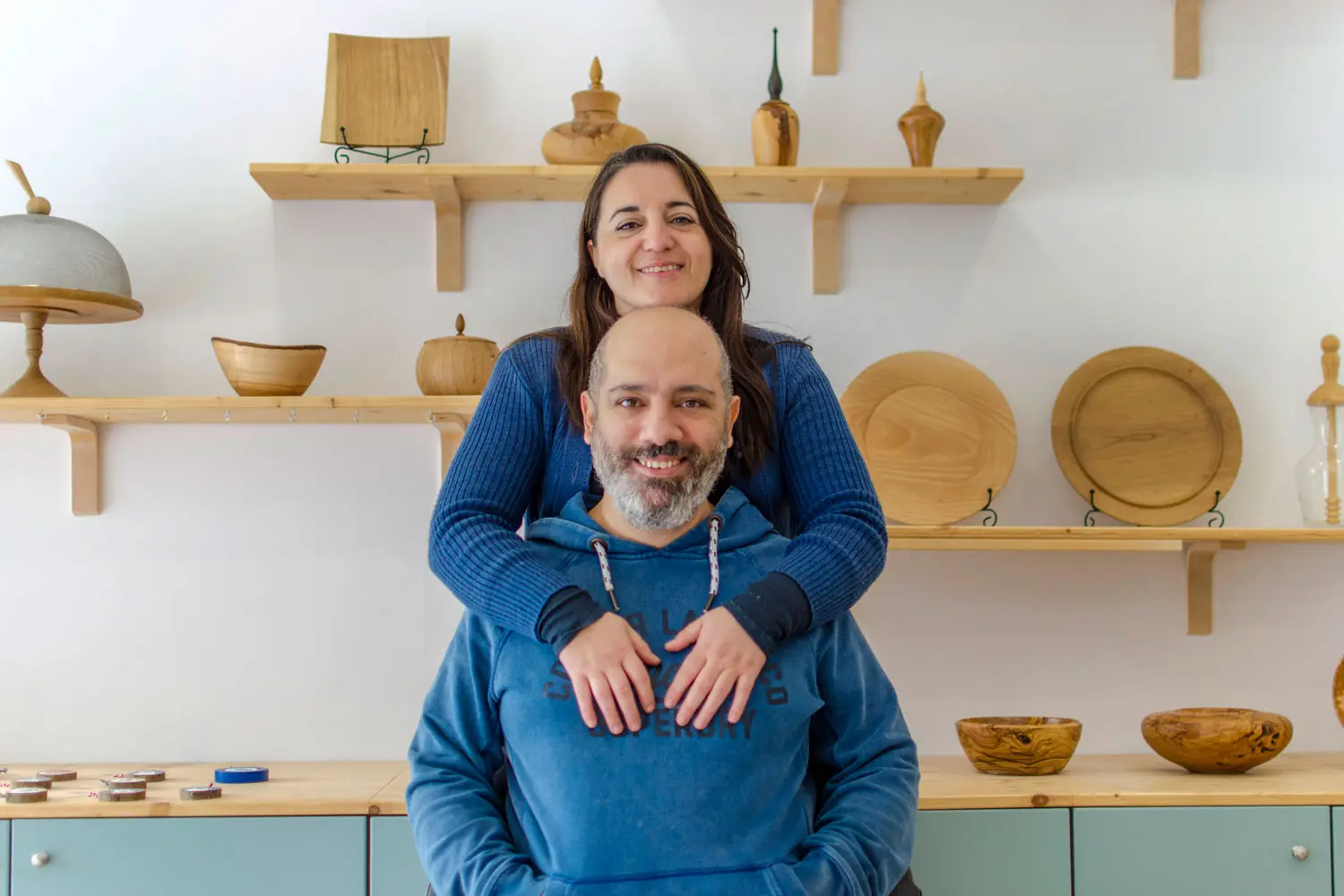
Heat your food in a microwave-safe container first, then transfer it to your handcrafted wooden bowl for serving.
— Olga & JosefWooden bowls have become a favourite in modern kitchens thanks to their natural beauty, sustainability, and timeless appeal. Whether used for salads, fruit, pasta, or decorative centrepieces, a handcrafted olive wood bowl adds warmth and character to any table.
However, one of the most common questions we hear in our workshop is:
“Can I microwave my wooden bowl?”
The short answer is no—but understanding why will help you protect your bowl and enjoy it for many years. In this guide, we’ll explain what happens when wood is exposed to microwave heat, how to care for handcrafted wooden bowls, and the safest way to serve hot food without damaging your favourite piece.
Can You Microwave a Wooden Bowl?
No.
Wooden bowls should never be placed inside a microwave oven.
Unlike ceramic or glass containers specifically designed for microwave use, wood is a natural material that reacts differently to heat. Although your bowl may survive one or two trips through the microwave without visible damage, repeated heating gradually weakens the wood’s structure and shortens its lifespan.
If you own a handcrafted olive wood bowl, treating it as serving ware rather than cookware is the best way to preserve its beauty.
Why Are Wooden Bowls Not Microwave Safe?
Wood may look completely dry, but every piece contains microscopic amounts of moisture trapped within its fibres.
When exposed to microwave energy, this moisture heats rapidly from the inside. As the moisture expands and then evaporates, the wood begins to lose its natural balance.
Over time this can result in:
- Cracks
- Warping
- Splitting
- Dry, rough surfaces
- Loose joints (if multiple pieces are joined together)
- Damage to the protective food-safe finish
The damage often happens gradually rather than immediately, making it easy to assume the bowl is microwave safe when, in reality, each heating cycle causes a little more stress.
What Happens If You Microwave a Wooden Bowl?
Several things can happen.
The bowl becomes very hot
Wood can become surprisingly hot after only a short time in the microwave. Unlike a ceramic bowl, which distributes heat relatively evenly, wooden bowls may develop hot spots that make them uncomfortable—or even unsafe—to handle.
The wood dries out
Heating removes moisture from the timber.
As the wood repeatedly loses moisture, it becomes increasingly brittle.
Cracks may develop
Wood naturally expands and contracts with changes in temperature and humidity.
Rapid heating followed by cooling places stress on the fibres, eventually causing visible cracks.
The bowl may warp
Uneven moisture loss can cause the bowl to change shape over time.
This is especially noticeable in thin handcrafted bowls where preserving elegant proportions is part of the design.
Is Olive Wood More Heat Resistant?
Olive wood is one of the hardest and densest woods commonly used for kitchenware.
Its tight grain makes it naturally durable and highly resistant to everyday wear.
However, this does not make olive wood microwave safe.
Even the finest olive wood bowl can suffer damage if repeatedly exposed to microwave or oven temperatures.
Its strength allows it to last for decades under normal use—but excessive heat is not part of that intended use.
Can You Serve Hot Food in a Wooden Bowl?
Yes.
Serving hot food is very different from heating food.
Wooden bowls are ideal for:
- Fresh pasta
- Rice dishes
- Bread
- Salads
- Roasted vegetables
- Fruit
- Cheese
- Charcuterie
However, we recommend avoiding prolonged contact with:
- Boiling soups
- Extremely hot sauces
- Freshly cooked stews kept in the bowl for extended periods
These foods won’t necessarily ruin the bowl immediately, but repeated exposure to very high temperatures can reduce its lifespan.
Can Wooden Bowls Go in Other Appliances?
| Appliance | Safe? | Notes |
|---|---|---|
| Microwave | ❌ | Never recommended |
| Oven | ❌ | High heat can crack or warp the wood |
| Dishwasher | ❌ | Heat, detergent, and water damage natural wood |
| Air Fryer | ❌ | Not suitable |
| Refrigerator | ✅ | Fine for short-term storage |
| Freezer | ⚠️ | Avoid repeated freezing and thawing |
| Dining Table | ✅ | Ideal |
| Serving Hot Food | ✅ | Yes, after the food has been cooked |
How to Care for a Wooden Bowl
Following a few simple habits will help your handcrafted bowl remain beautiful for decades.
- Wash by hand using warm water and mild soap.
- Dry immediately with a soft towel.
- Never leave the bowl soaking in water.
- Apply food-safe mineral oil or extra virgin olive oil whenever the wood begins to look dry.
- Store in a cool, dry place away from prolonged direct sunlight or heat.
Proper care helps preserve the wood’s natural grain while reducing the risk of drying and cracking.
Expert Tip
At our workshop in Archanes, we always recommend warming food in a ceramic or glass container first and then transferring it to your wooden bowl just before serving. This protects the wood from unnecessary heat while allowing you to enjoy the natural beauty of handcrafted tableware exactly as it was designed to be used.
Why Choose Olive Wood for Serving?
Olive wood has been valued around the Mediterranean for centuries because it combines exceptional durability with remarkable natural beauty.
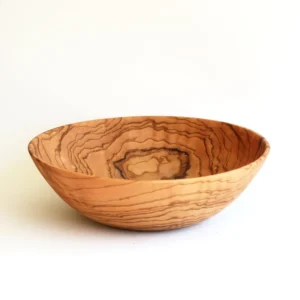
Every handcrafted bowl features its own unique grain patterns, warm golden tones, and organic character, making no two pieces exactly alike.
Rather than using your bowl for cooking, think of it as the final presentation piece that transforms an everyday meal into something special.
Our Recommendation
If you’re looking for a handcrafted wooden bowl designed to last for many years, explore our collection of olive wood bowls handcrafted in Archanes, Crete. Each bowl is individually turned from sustainably sourced local timber, carefully seasoned, and finished with food-safe extra virgin olive oil to highlight the natural beauty of the wood.
Frequently asked questions
Can olive wood bowls go in the microwave?
No. Although olive wood is exceptionally durable, it should never be placed in a microwave because repeated heating can dry out the wood and eventually cause cracking or warping.
Can I serve hot food in a wooden bowl?
Yes. Wooden bowls are ideal for serving freshly prepared food, but they should not be used to cook or reheat food in a microwave or oven.
Why does wood crack after heating?
Rapid changes in temperature cause moisture inside the wood to expand and evaporate. Over time, this repeated movement can create internal stresses that lead to cracks.
Can wooden bowls go in the dishwasher?
No. Dishwashers expose wood to prolonged water, detergent, and high temperatures, all of which can damage the wood and shorten its lifespan.
Can I put my wooden bowl in the refrigerator?
Yes. Short-term refrigeration is generally safe. Allow the bowl to return to room temperature naturally before washing.
How often should I oil a wooden bowl?
Whenever the wood begins to look dry or dull. Regular conditioning helps maintain the natural finish and protects the wood from drying out.
Are handcrafted wooden bowls food safe?
Yes. Bowls finished with food-safe oils are perfectly suitable for serving food and everyday use when properly cared for.
How long can an olive wood bowl last?
With proper care, a handcrafted olive wood bowl can remain beautiful and functional for decades, often becoming a treasured family heirloom.