
How to Care for Olive Wood Products
Apply extra virgin olive oil or food-grade mineral oil every 4–6 weeks to maintain the wood’s natural luster and structural integrity.
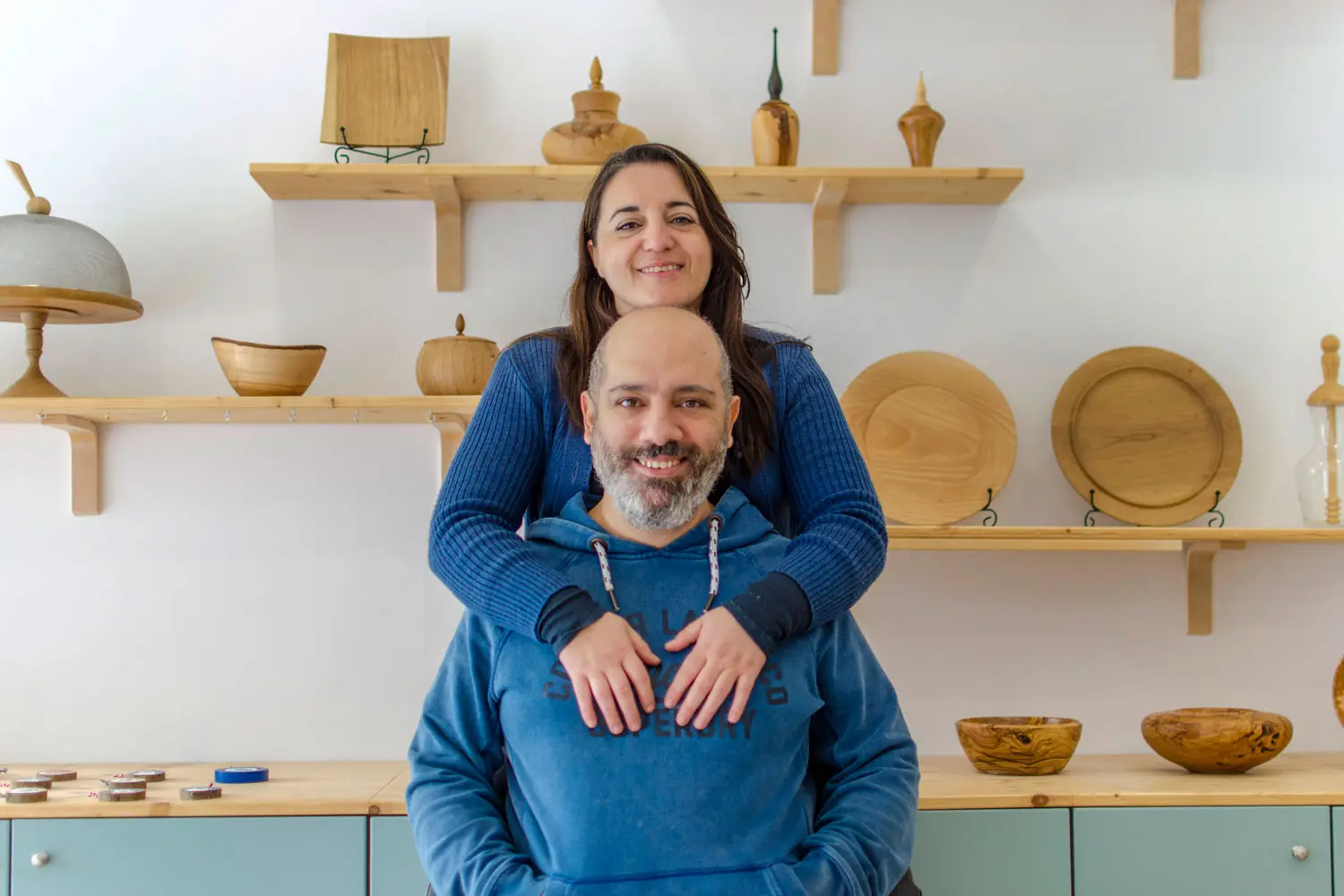
— Olga & JosefTo care for olive wood, hand-wash it immediately after use with lukewarm water and mild soap. Never use a dishwasher or microwave. Wood is a living, porous material. To prevent cracking and warping, you must periodically “hydrate” the fibers with food-safe oil.
In our Archanes workshop, we often work with olive wood that has seasoned for over three years. We treat the wood to ensure its stability, but once a piece enters your home, its life continues. Because olive wood is dense and rich in natural oils, it requires specific care to remain a functional masterpiece for generations. This guide explains the physics of wood maintenance and the simple steps to preserve its soul.
The Golden Rules of Cleaning
Cleaning is where most artisanal wood pieces are accidentally damaged. To protect the hand-honed finish, follow these professional standards:
- Hand-wash only: Use a soft sponge and mild, unscented dish soap.
- Dry immediately: Do not let wooden items air-dry in a rack. Wipe them with a clean cloth immediately to prevent moisture from seeping into the grain.
- Temperature control: Use lukewarm water. Extreme heat causes the wood fibers to expand and contract rapidly, leading to structural failure (cracks).
What to Avoid: The “Never” List
These environments are hostile to that structure:
- The Dishwasher: The combination of high heat, prolonged water exposure, and harsh chemicals will strip the natural oils and split the wood.
- The Microwave: Microwaves heat the internal moisture of the wood, causing it to “explode” from the inside out.
- Soaking: Never leave a wooden bowl in a sink full of water. The wood will absorb water, swell, and lose its shape.
Maintenance Table: Dishwasher vs. Hand-Wash
| Feature | Dishwasher | Hand-Wash (Recommended) |
| Surface Finish | Strips oils, leaves wood dull | Preserves natural luster |
| Fiber Integrity | Causes micro-cracks | Maintains structural strength |
| Longevity | 6–12 months | Generations |
| Bacteria Resistance | Diminished (rough surface) | High (smooth, closed grain) |
Hydration: Oiling your Wood
When wood looks “thirsty” or pale, it needs hydration. This is the most important step in artisanal care.
The Process:
- Ensure the piece is clean and bone-dry.
- Apply a generous amount of Extra Virgin Olive Oil or Food-safe Mineral Oil using a lint-free cloth.
- Let it sit for 20 minutes.
- Wipe off the excess.
Expert Tip: If you live in a very dry climate (with indoor heating or air conditioning), your wooden pieces are at higher risk of cracking. Place a small bowl of water near your display shelf or inside the cabinet during peak winter months. This subtle boost in humidity acts as a “buffer” for the wood’s internal moisture dynamics, preventing the fibers from becoming brittle.
Frequently asked about Olive Wood Products
Can I use my olive wood bowl for hot soup?
Yes, but with caution. Avoid boiling liquids. Let the soup cool slightly before serving. The extreme transition from cold to boiling can stress the grain.
My board has developed a rough texture. Is it ruined?
No. This is called “raised grain” and happens when water hits the wood. Simply rub it lightly with 320-grit sandpaper and re-oil it. It will be smoother than new.
How do I remove strong food smells like garlic or onion?
Rub the surface with half a lemon and a sprinkle of coarse sea salt. Let it sit for 2 minutes, rinse, and dry. The acidity neutralizes odors without damaging the wood.